Dentist Plan
What happens at the dentist, how it might feel, and what your child can do about it.
Roo Bloom · boy illustrations
What might happen
- 1Going to the dentist
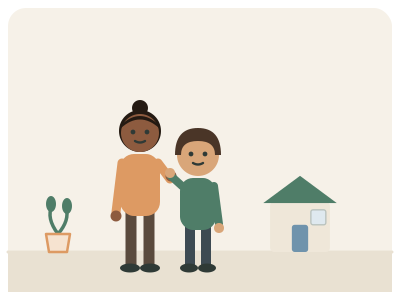
I am going to the dentist.
- 2We arrive
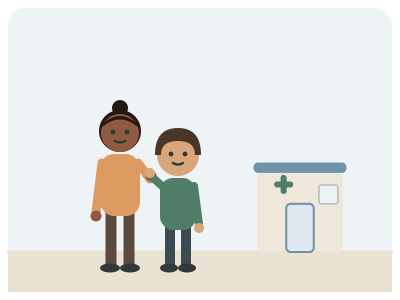
We arrive at the clinic.
- 3Wait
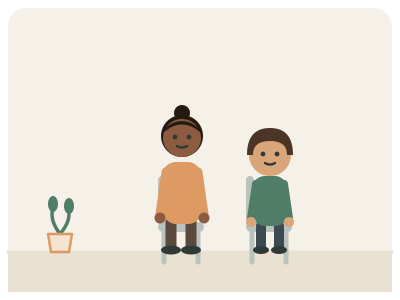
Sometimes we wait in the waiting room.
- 4The dentist says hello
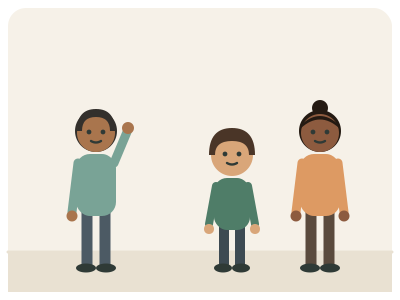
The dentist calls my name and says hello.
- 5Sit in the chair
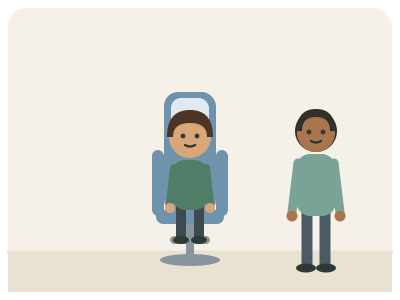
I sit in the big chair.
- 6The chair moves
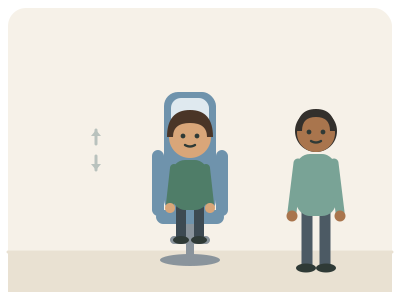
The chair might tip back slowly.
- 7Gloves and a mask
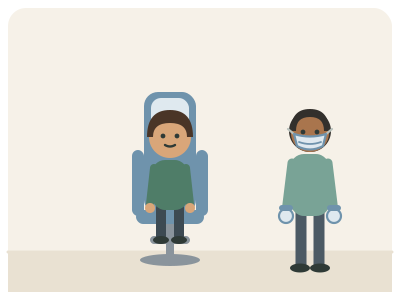
The dentist might wear gloves and a mask.
- 8The bright light
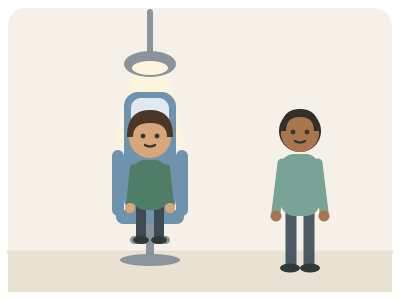
A bright light helps the dentist see.
- 9Open my mouth
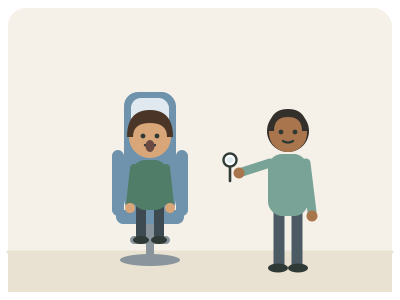
I open my mouth wide.
- 10Looking at my teeth
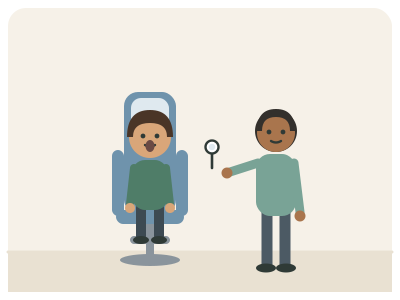
The dentist looks at my teeth and counts them.
- 11The tools make sounds
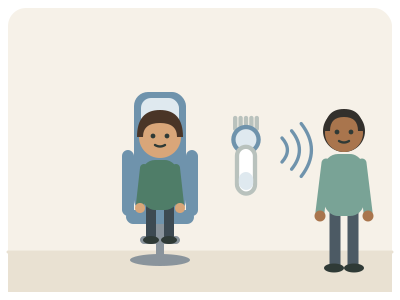
Some tools buzz or whirr. Some tickle.
- 12A clean, sometimes
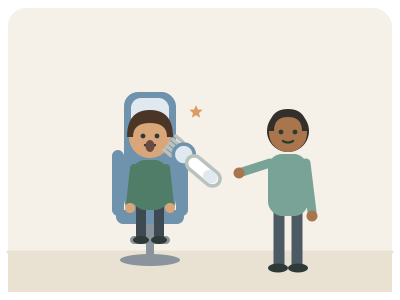
Some visits have a clean. Some do not.
- 13Finished
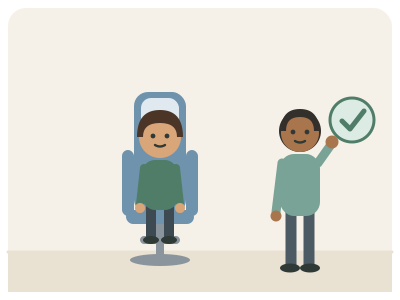
The visit finishes.
- 14We leave
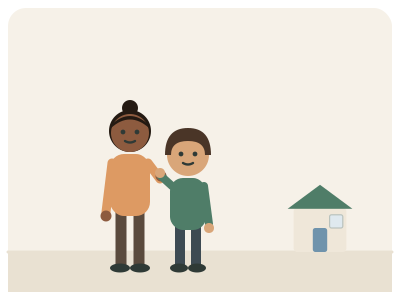
Then we can leave.
How might I feel?
Point to any that fit. More than one is fine, and there is no wrong answer — including feeling okay about it.
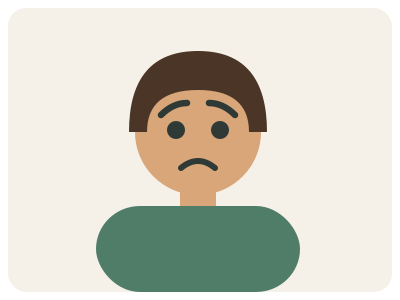 Worried
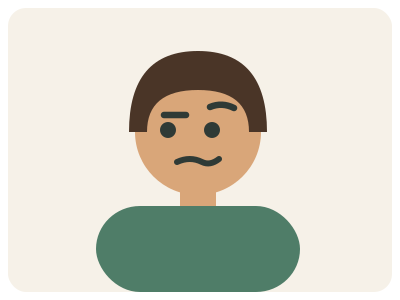 Unsure
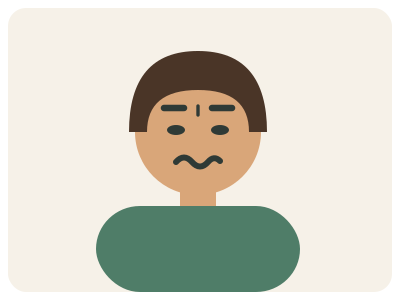 Uncomfortable
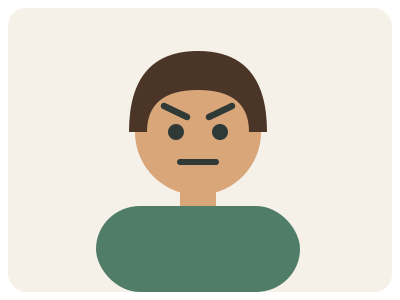 Annoyed
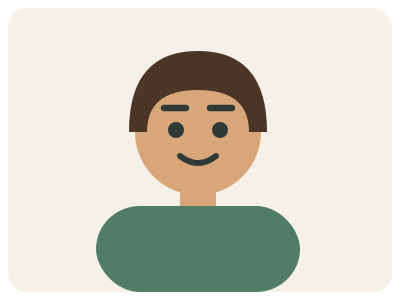 Okay
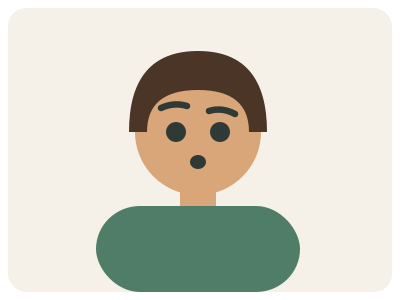 Curious
What can I do?
Cut these out. Your child can point to one instead of having to find the words.
 Hold a grown-up's hand
 Hold my favourite thing
 Put my hand up to stop
 Ask for a break“Break, please.”
 Say stop“Stop, please.”
 Ask them to tell me first“Tell me before you do it.”
 Ask what happens next“What happens next?”
 Wear sunglasses
 Wear headphones
 Close my eyes
 Take slow breaths
Now → Next
Show what is happening and what comes straight afterwards.
Now

Dentist
Next

do the next thing
First → Then
- Sit in chairCheck teeth
- Check teethNext activity
- BreakBack to the check-up
Step cards
Cut these out and put them up in order.
- 1
 Go to clinic
- 2
 Wait
- 3
 Say hello
- 4
 Sit in chair
- 5
 Bright light
- 6
 Open mouth
- 7Check teeth
- 8Break if needed
- 9
 Finished
- 10
 Go home
For grown-ups
Two or three minutes of reading. The child's part is on the page above — this part is for you.
Before the visit
- Go through it together on a calm day, not in the waiting room.
- Two or three short goes over a few days works better than one long one.
- Let your child stop whenever they want to. Making them sit through it again turns the resource itself into something to resist.
- Ring the clinic and say what helps. Ask for a quiet time of day, and ask whether a short look-around visit before the real appointment is possible — many practices will.
- Ask what this appointment is likely to involve. A check-up, a clean and an x-ray are three different experiences, and knowing which one you are preparing for is the difference between a resource that helps and one that misleads.
- Agree the stop signal — a raised hand is the usual one — with your child AND with the dentist, before anyone sits down.
- Pack whatever you chose above: headphones, sunglasses, the comfort item.
During
- Say less than feels natural. A running commentary is more to process, not less.
- Show the card instead of explaining it. Point at the step you are on.
- Offer one or two choices, not an open question. “Sunglasses or eyes closed?” is easier than “What do you want?”
- Back the stop signal the moment it is used. A signal that gets ignored once is a signal your child will not use again.
- Name what you can see — “that light is really bright” — rather than correcting it. Agreeing costs nothing and it is usually true.
If your child refuses
- Refusing is information, not misbehaviour. Something about it is not workable yet.
- Try a smaller step: sitting in the chair with nothing happening, going up and down in it, or just counting teeth with a mirror and no tools.
- A check-up done across two appointments still counts as a check-up.
- Some children manage a look but not a clean, or the front teeth but not the back. Getting part of it done is a real result.
- Ask the practice whether they see many autistic or anxious children — some have a particular dentist or a longer appointment slot for exactly this, and it is a fair question to ask when booking.
If it does not work
Visual supports help many children and do not work for every child. This one may make a dental visit more predictable; it cannot promise that a visit will be calm, and a child who becomes distressed is not doing it wrong. Not every practice can accommodate every support on this list — check what is possible when you book, so nothing offered here turns into a promise the day cannot keep.
If dental visits are consistently distressing, or your child has pain, it is worth saying so directly when you book — practices can plan for it, and some have longer appointments or particular clinicians for this. Your dentist or GP is the right person to ask about what is possible for your child. This resource is educational material, not dental, medical or therapeutic advice.